
Assorus
City of the Sicel in Sicily, later Hellenised as Assoros and now Assoro
Assorus or Assoros (Ancient Greek: Ἄσσωρος), or Asserus or Asseros (Ἄσσηρος), also known as Assorium or Assorion (Ἀσσώριον), was a city of the interior of ancient Sicily, situated about halfway between Agyrium and Enna. It was a city of the Siculi, and appears never to have received a Greek colony.
Nº Q4810310 ★★
Peu commune · Lieux
Assorus
City of the Sicel in Sicily, later Hellenised as Assoros and now Assoro
Assorus or Assoros (Ancient Greek: Ἄσσωρος), or Asserus or Asseros (Ἄσσηρος), also known as Assorium or Assorion (Ἀσσώριον), was a city of the interior of ancient Sicily, situated about halfway between Agyrium and Enna. It was a city of the Siculi, and appears never to have received a Greek colony.
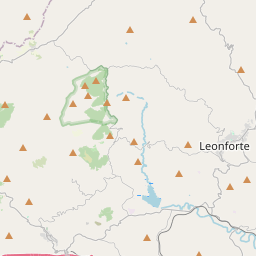
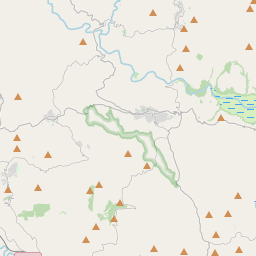
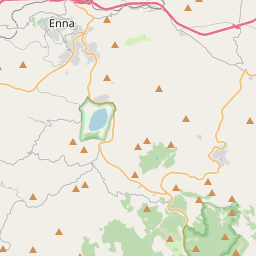
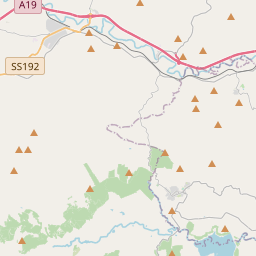
Sur la carte
Dernier prix
—
Prix plancher
—
Médiane 7 j
—
Ventes 30 j
0
Fourchette 30 j
—
En circulation
0
Cours
médiane
min – max
ventes
Aucune vente sur la période
Voir le tableau
| Date | médiane | Min | Max | ventes |
|---|
Historique des ventes
- Dernière vente
- —
- Moyenne 30 j
- —
- Plus bas 30 j
- —
- Plus haut 30 j
- —
- Ventes 7 j
- 0
- Ventes 30 j
- 0
Aucune vente pour l'instant.
Ventes anonymes : ni acheteur ni vendeur. Les chiffres ne comptent que les ventes entre joueurs.
Sur Wikipédia
Texte en anglais Pas encore d'article dans ta langue : extrait en anglais.
Assorus or Assoros (Ancient Greek: Ἄσσωρος), or Asserus or Asseros (Ἄσσηρος), also known as Assorium or Assorion (Ἀσσώριον), was a city of the interior of ancient Sicily, situated about halfway between Agyrium and Enna. It was a city of the Siculi, and appears never to have received a Greek colony. In 396 BCE it is mentioned by Diodorus as the only Siculian town which remained faithful to Dionysius of Syracuse, at the time of the great Carthaginian expedition under Himilco. In consequence, we find Dionysius, after the defeat of the Carthaginians, concluding a treaty of alliance with the Assorini, and leaving them in possession of their independence. At this time it would seem to have been a place of some importance; but no subsequent mention of it occurs in ancient writers until the days of Cicero, in whose time it appears to have been but a small town, though retaining its municipal independence, and possessing a territory fertile in corn. It suffered severely, in common with the neighbouring towns, from the exactions of Verres. We learn from Pliny the Elder and Ptolemy, that it continued to exist under the Roman Empire. and the modern town of Assoro undoubtedly occupies the site, as well as retains, with little alteration, the name of Assorus. According to Tommaso Fazello, the remains of the ancient walls, and one of the gates, were still visible in his time (16th century). It was situated on a lofty hill, at the foot of which flowed the river Chrysas (now called the Dittaino), the tutelary deity of which was worshipped with peculiar reverence by the Assorini, and inhabitants of the neighbouring cities. His temple was situated, as we learn from Cicero, at a short distance from the town, on the road to Enna; and so sacred was it...
Texte : Wikipédia en anglais, CC BY-SA 4.0. · Image : Jerome Bon (CC BY 2.0) ·
Cartes voisines

Assoro
Commune italienne
Nº Q56197 ★★★
History of Syracuse, Sicily
Aspect of history
Nº Q1517661 ★★★

Sybaris
Cité de la Grande-Grèce, une colonie grecque du sud de l'Italie en Calabre actuelle
Nº Q220583 ★★★

Assos
Ville turque
Nº Q744631 ★★

Gideros
Ancient city of Pontus in modern-day Turkey
Nº Q5201382 ★★★

Denys le Jeune
Tyran de Syracuse
Nº Q380453 ★★