
Lake Nar
Maar lake in Niğde, Turkey
Lake Nar (Turkish: Nar or Narlı Gölü) is a brackish lake situated on the borderline between Aksaray Province and Niğde Province of central Turkey (38°20′24.43″N 34°27′23.69″E altitude:1,363 metres (4,472 ft) AMSL). It is around 21 metres deep and 0.7 square kilometres in area.
Nº Q20988477 ★★★★
Super rara · Lugares
Lake Nar
Maar lake in Niğde, Turkey
Lake Nar (Turkish: Nar or Narlı Gölü) is a brackish lake situated on the borderline between Aksaray Province and Niğde Province of central Turkey (38°20′24.43″N 34°27′23.69″E altitude:1,363 metres (4,472 ft) AMSL). It is around 21 metres deep and 0.7 square kilometres in area.
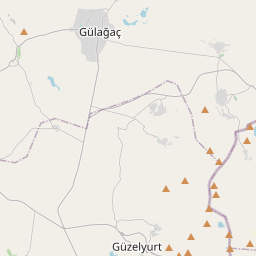
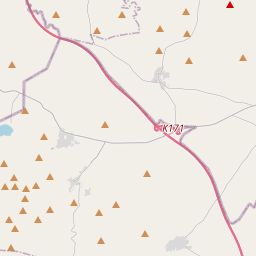
No mapa
Último preço
—
Preço mínimo
—
Mediana 7 d
—
Vendas 30 d
0
Faixa 30 d
—
Em circulação
0
Cotação
mediana
mín – máx
vendas
Sem vendas no período
Ver tabela
| Data | mediana | Mín | Máx | vendas |
|---|
Histórico de vendas
- Última venda
- —
- Média 30 d
- —
- Mínima 30 d
- —
- Máxima 30 d
- —
- Vendas 7 d
- 0
- Vendas 30 d
- 0
Ainda sem vendas.
Vendas anônimas: sem comprador nem vendedor. Os números contam só vendas entre jogadores.
Na Wikipédia
Texto em inglês Ainda não há artigo no seu idioma: trecho em inglês.
Lake Nar (Turkish: Nar or Narlı Gölü) is a brackish lake situated on the borderline between Aksaray Province and Niğde Province of central Turkey (38°20′24.43″N 34°27′23.69″E altitude:1,363 metres (4,472 ft) AMSL). It is around 21 metres deep and 0.7 square kilometres in area. The lake basin formed as a result of volcanic activity; specifically it is classed as a maar lake. There is still geothermal activity in the area, which has given rise to hot springs around the lake. In recent years, the geothermal waters have been pumped up to nearby hotels for use in their hot baths. Lake Nar is particularly known for its scientific importance. It is home to a newly-described species of microscopic diatom algae called Clipeoparvus anatolicus. Nar lake waters undergo a remarkable change between different seasons. In winter, the lake water is cold from top to bottom. As the temperature increases in the spring, the lake water divides into an upper half which is warm (epilimnion), while the lower half (hypolimnion) stays cold and lacking in oxygen. An abundance of planktonic algae (or plankton bloom) in early summer changes the water chemistry and leads to the precipitation of calcium carbonate. As a result, the mud at the bottom of the lake is made of alternating black and white layers (or varves) representing different seasons of the year. Like tree rings, they create a natural geological clock. The best known other example of a varve-forming lake in Turkey is Lake Van. Work has been carried out on its sediments and waters by a team of British, Turkish and French researchers. Since 1997, water samples have been taken from the lake to monitor how the lake level and chemistry has changed with climate. Over this period, central Turkey experience a shift to drier conditions (especially hotter summers...
Texto: Wikipédia em inglês, CC BY-SA 4.0. · Imagem: Dilara YAŞAROĞLU (CC BY-SA 4.0) ·
Cartas próximas

Lake Marmara
Lake in Manisa Province, Turkey
Nº Q601695 ★★★★

Lake Nemrut
Volcanic crater lake in eastern Turkey
Nº Q2988251 ★

Lake Acıgöl
Lake in Turkey
Nº Q2666527 ★

Lake Burdur
Lake in Burdur and Isparta provinces, Turkey
Nº Q1010475 ★

Bor, Niğde
District of Niğde, Turkey
Nº Q289143 ★★★★

Lake Karataş
Lake in Burdur Province, Turkey
Nº Q6004690 ★★