
Amrum
Island in North Frisia, Germany
Amrum (German pronunciation: [ˈamʁʊm] ; Öömrang North Frisian: Oomram) is one of the North Frisian Islands on the German North Sea coast, south of Sylt and west of Föhr. It is part of the Nordfriesland district in the federal state of Schleswig-Holstein and has approximately 2,300 inhabitants.
Nº Q3136 ★★★★★
Ultra rara · Lugares
Amrum
Island in North Frisia, Germany
Amrum (German pronunciation: [ˈamʁʊm] ; Öömrang North Frisian: Oomram) is one of the North Frisian Islands on the German North Sea coast, south of Sylt and west of Föhr. It is part of the Nordfriesland district in the federal state of Schleswig-Holstein and has approximately 2,300 inhabitants.
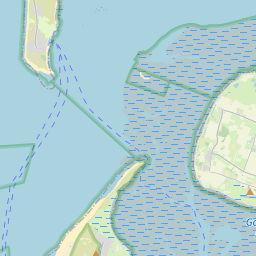
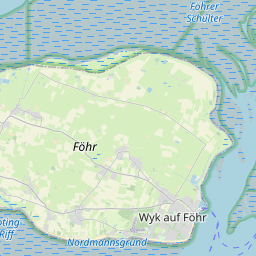
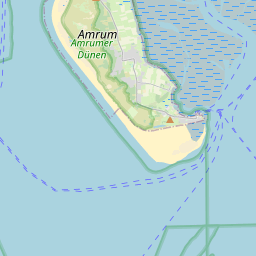
No mapa



Último preço
—
Preço mínimo
—
Mediana 7 d
—
Vendas 30 d
0
Faixa 30 d
—
Em circulação
0
Cotação
mediana
mín – máx
vendas
Sem vendas no período
Ver tabela
| Data | mediana | Mín | Máx | vendas |
|---|
Histórico de vendas
- Última venda
- —
- Média 30 d
- —
- Mínima 30 d
- —
- Máxima 30 d
- —
- Vendas 7 d
- 0
- Vendas 30 d
- 0
Ainda sem vendas.
Vendas anônimas: sem comprador nem vendedor. Os números contam só vendas entre jogadores.
Na Wikipédia
Texto em inglês Ainda não há artigo no seu idioma: trecho em inglês.
Amrum (German pronunciation: [ˈamʁʊm] ; Öömrang North Frisian: Oomram) is one of the North Frisian Islands on the German North Sea coast, south of Sylt and west of Föhr. It is part of the Nordfriesland district in the federal state of Schleswig-Holstein and has approximately 2,300 inhabitants. The island is made up of a sandy core of geestland and features an extended beach all along its west coast, facing the open North Sea. The east coast borders to mudflats of the Wadden Sea. Sand dunes are a characteristic part of Amrum's landscape, resulting in a vegetation that is largely made up of heath and shrubs. The island's only forest was planted in 1948. Amrum is a refuge for many species of birds and a number of marine mammals including the grey seal and harbour porpoise. Settlements on Amrum have been traced back to the Neolithic period when the area was still a part of the mainland of the Jutland peninsula. During the Middle Ages, Frisian settlers arrived at Amrum and engaged in salt making and seafaring. A part of the modern population still speaks Öömrang, a dialect of the North Frisian language, and Frisian traditions are kept alive. With the island hosting many endangered species of plants and animals, its soil being largely unproductive for agriculture and as a popular seaside resort in general, Amrum's population today almost exclusively lives from the tourism industry.
Texto: Wikipédia em inglês, CC BY-SA 4.0. · Imagem: European Space Agency (Attribution) ·


