

Commune · Lieux
Derwent
Localité britannique du comté anglais de Derbyshire
Derwent was a village 'drowned' in 1944 when the Ladybower Reservoir in Derbyshire, England, was created. The village of Ashopton, Derwent Woodlands church, and Derwent Hall were also 'drowned' in the construction of the reservoir.
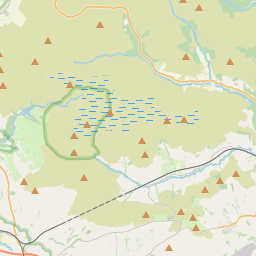
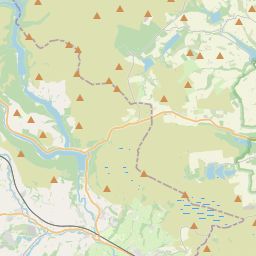
Sur la carte
Sur Wikipédia
Texte en anglais Pas encore d'article dans ta langue : extrait en anglais.
Derwent was a village 'drowned' in 1944 when the Ladybower Reservoir in Derbyshire, England, was created. The village of Ashopton, Derwent Woodlands church, and Derwent Hall were also 'drowned' in the construction of the reservoir. All buildings in the village had been demolished by autumn 1943, and the impounded waters of the reservoir began to rise by the end of 1944. A 17th-century packhorse bridge in the village had a preservation order which prevented it from being demolished. In order to comply with this, the bridge was transported from the original location near Derwent Hall and reconstructed at the head of Howden Reservoir at Slippery Stones. It is now part of the footpaths and cycle tracks that run along the reservoirs. The bridge is a scheduled monument, and it is one of the very few structures from Derwent village to have completely survived the reservoir's construction and still be visible. The church held its last service on 17 March 1943. The bell from the church was re-hung in St Philip's Church in Chaddesden, built in 1955. The stained glass from the east window of the church, designed by Charles Eamer Kempe, was saved and installed into the east window of St Michael and All Angels' Church, Hathersage.
Texte : Wikipédia en anglais, CC BY-SA 4.0. · Image : Tim Hallam (CC BY-SA 2.0) ·