
Gender
Stream in North Brabant, the Netherlands
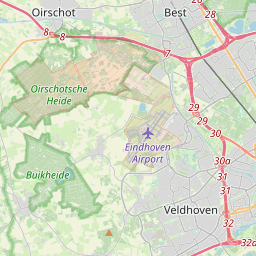
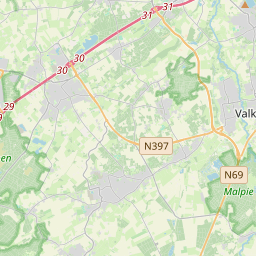
The Gender (Dutch pronunciation: [ˈɣɛndər]) is a stream in the Dutch province of North Brabant. It originates in originally marshy flatlands near Steensel and flows through Veldhoven and its eastern district Meerveldhoven in a general east-northeast direction towards Eindhoven.
Nº Q2315325 ★★★
Rara · Lugares
Gender
Stream in North Brabant, the Netherlands
The Gender (Dutch pronunciation: [ˈɣɛndər]) is a stream in the Dutch province of North Brabant. It originates in originally marshy flatlands near Steensel and flows through Veldhoven and its eastern district Meerveldhoven in a general east-northeast direction towards Eindhoven.
En el mapa


Último precio
—
Precio mínimo
—
Mediana 7 d
—
Ventas 30 d
0
Rango 30 d
—
En circulación
0
Cotización
mediana
mín – máx
ventas
Sin ventas en el periodo
Ver tabla
| Fecha | mediana | Mín | Máx | ventas |
|---|
Historial de ventas
- Última venta
- —
- Media 30 d
- —
- Mínimo 30 d
- —
- Máximo 30 d
- —
- Ventas 7 d
- 0
- Ventas 30 d
- 0
Aún no hay ventas.
Ventas anónimas: sin comprador ni vendedor. Las cifras solo cuentan ventas entre jugadores.
En Wikipedia
Texto en inglés Aún no hay artículo en tu idioma: extracto en inglés.
The Gender (Dutch pronunciation: [ˈɣɛndər]) is a stream in the Dutch province of North Brabant. It originates in originally marshy flatlands near Steensel and flows through Veldhoven and its eastern district Meerveldhoven in a general east-northeast direction towards Eindhoven. The Gender is one of many small streams that drain what once was the marshy heath and moorland of eastern North Brabant and the Kempen plateau. Similar streams include the Dommel, Kleine Dommel, Keersop, Tongelreep, Aa, Binnendieze and Run. All of these streams at one point or other merge to finally form River Dieze in Den Bosch, which in turn flows into River Maas. Near Eindhoven, the Gender originally flowed just north of the medieval city walls, serving as the north part of the city moat, to end in confluence with the Dommel stream. As early as the fifteenth century, its course was diverted southward through the city centre, to provide the city with freshwater supplies and fire-extinguishing means. By the 19th century, the stretch within the old city had been filled in and the Gender now ended in De Vest, the city moat, which itself was connected to the Dommel. Archaeological excavations during the 1980s and 1990s before the construction of a new shopping centre have brought several branches of the artificial inner-city section of the Gender to light, including a connection to the moat of Eindhoven Castle, which stood just east of the city walls. 20th-century channelisation and the emergence of large-scale residential areas in the Gender basin have seen the last stretch before the city centre cut off. In order to regulate water levels of the Dommel and Gender streams, which occasionally threatened to flood Eindhoven's inner city area, a drainage canal (Afwateringskanaal) was dug in the late 1930s to connect the Dommel to the newly constructed Beatrix...
Texto: Wikipedia en inglés, CC BY-SA 4.0. · Imagen: Curt Woyte (talk) (CC BY 3.0) ·
Cartas cercanas

Run (stream)
Stream in North Brabant, Netherlands
Nº Q2833112 ★★

Donge (river)
River in North-Brabant, the Netherlands
Nº Q2949584 ★★★

Provincia de Brabante Septentrional
Provincia de los Países Bajos
Nº Q1101 ★★★★

Dommel
Small river in Belgium and the Netherlands
Nº Q1238549 ★★★★

Aa (Meuse)
River in the Netherlands
Nº Q300658 ★

Nederrijn
Río en Países Bajos
Nº Q1152951 ★★