
Dochamps
Section of Manhay, Belgium
Dochamps (French pronunciation: [dɔʃɑ̃]; Walloon: Dôtchamp) is a village of Wallonia and a district of the municipality of Manhay, located in the province of Luxembourg, Belgium. The earliest mention of the village is from 1011, but there appears to have been an earlier Viking settlement here for some time.
Nº Q1880709 ★★★
Rara · Lugares
Dochamps
Section of Manhay, Belgium
Dochamps (French pronunciation: [dɔʃɑ̃]; Walloon: Dôtchamp) is a village of Wallonia and a district of the municipality of Manhay, located in the province of Luxembourg, Belgium. The earliest mention of the village is from 1011, but there appears to have been an earlier Viking settlement here for some time.
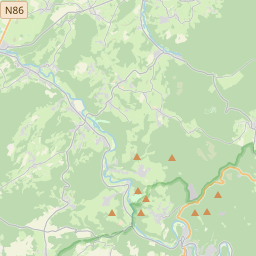
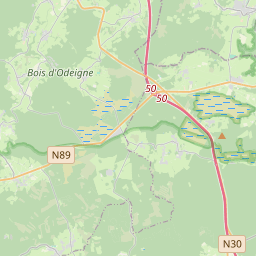
En el mapa
Último precio
—
Precio mínimo
—
Mediana 7 d
—
Ventas 30 d
0
Rango 30 d
—
En circulación
0
Cotización
mediana
mín – máx
ventas
Sin ventas en el periodo
Ver tabla
| Fecha | mediana | Mín | Máx | ventas |
|---|
Historial de ventas
- Última venta
- —
- Media 30 d
- —
- Mínimo 30 d
- —
- Máximo 30 d
- —
- Ventas 7 d
- 0
- Ventas 30 d
- 0
Aún no hay ventas.
Ventas anónimas: sin comprador ni vendedor. Las cifras solo cuentan ventas entre jugadores.
En Wikipedia
Texto en inglés Aún no hay artículo en tu idioma: extracto en inglés.
Dochamps (French pronunciation: [dɔʃɑ̃]; Walloon: Dôtchamp) is a village of Wallonia and a district of the municipality of Manhay, located in the province of Luxembourg, Belgium. The earliest mention of the village is from 1011, but there appears to have been an earlier Viking settlement here for some time. Its remains were destroyed in the 1612 by Huguenots. In 1642 the village was pillaged and destroyed by Dutch Calvinist troops. Several of the villagers were burnt to death inside the church tower, while others escaped to a nearby forest and later rebuilt the village. In 1944, during the Battle of the Bulge, the village was again damaged by war. The church of the village has foundations from the 12th century but largely dates from the 17th century when it was rebuilt after the sack of the village. It was restored again after World War II.
Texto: Wikipedia en inglés, CC BY-SA 4.0. · Imagen: KB72 (CC BY-SA 3.0) ·
Cartas cercanas
-

Manhay
Municipio de Bélgica
Nº Q713458 ★★
Sin ofertas
-

Dolhain
Town in the municipality Limbourg, Belgium
Nº Q3033905 ★
Sin ofertas
-

Dohan
Section of Bouillon, Belgium
Nº Q2358375 ★
Sin ofertas
-

Liberchies
Nº Q2371918 ★★
Sin ofertas
-

Vierves-sur-Viroin
Section of Viroinval, Wallonia, Belgium
Nº Q2571177 ★
Sin ofertas
-

Salmchâteau
Village in Belgium
Nº Q2646699 ★
Sin ofertas