

Rara · Lugares
Aabey
Human settlement in Lebanon
Aabey, also spelled Abey (Arabic: عبيه), is a village located in Mount Lebanon, in Aley District of Mount Lebanon Governorate. It is located 22 km (14 mi) from Beirut and has an altitude of 800 m (2,600 feet). It is bordered by Kfarmatta (South), Al Bennay (East), Damour (West), and Ain Ksour (North).
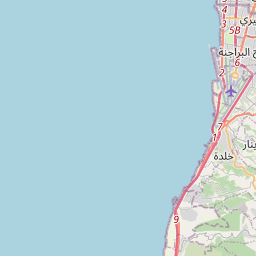
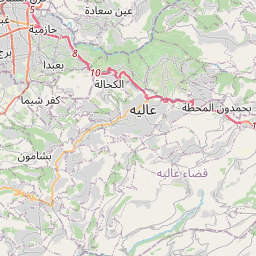
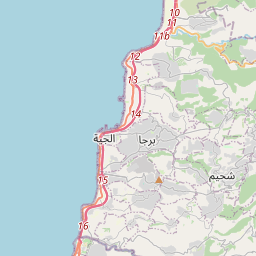
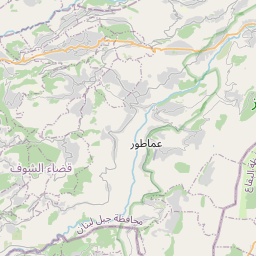
En el mapa
En Wikipedia
Texto en inglés Aún no hay artículo en tu idioma: extracto en inglés.
Aabey, also spelled Abey (Arabic: عبيه), is a village located in Mount Lebanon, in Aley District of Mount Lebanon Governorate. It is located 22 km (14 mi) from Beirut and has an altitude of 800 m (2,600 feet). It is bordered by Kfarmatta (South), Al Bennay (East), Damour (West), and Ain Ksour (North). It overlooks Damour and the capital Beirut and the sea can be seen from virtually any point in the village. Aabey contains the Dawdye college, Aabey Vocational School (Mihanye) etc. The name Aabey (Arabic: عبيه) comes from the Aramaic word meaning “abundant." During the Fatimid and the Mamluk periods, Tanukh settled in Aabey. The Tanukh emirs (Buhturids) were cavalry officers in a special regiment of the Mamluk army that conquered Beirut in 1291, led by Sultan al-Ashraf Khalil. The emirs established their summer residence in Aabey, where the remains of several buildings can still be seen today. Among the monuments left by this feudal dynasty is the Fountain of Emirs, the residence of Emir Qa'an At-Tannoukhi (17th-18th centuries), the residence of Sheikh Riad Amine Eddine, and the restored Druze tomb (Maqam) of the revered Druze theologian Sayid Abdallah at-Tannukhi (died 1479), who is credited with uniting the Druze of the Chouf mountains. Notable churches include the Church of as-Saydeh, Church of Mar Sarkis and Bakhos, Church of Mar Maroun, and the Evangelical Church founded by European missionaries in the 17th century.
Texto: Wikipedia en inglés, CC BY-SA 4.0. · Imagen: Charles William Meredith van de Velde (Public domain) ·