
Viveda
Human settlement in Santillana del Mar, Cantabria, Spain
Viveda is a Lugar of the municipality of Santillana del Mar (Cantabria, Spain). It borders the towns of Barreda (municipality of Torrelavega), Queveda and Camplengo (municipality of Santillana del Mar), and Hinojedo (municipality of Suances).
Nº Q6164183 ★★
Uncommon · Places
Viveda
Human settlement in Santillana del Mar, Cantabria, Spain
Viveda is a Lugar of the municipality of Santillana del Mar (Cantabria, Spain). It borders the towns of Barreda (municipality of Torrelavega), Queveda and Camplengo (municipality of Santillana del Mar), and Hinojedo (municipality of Suances).
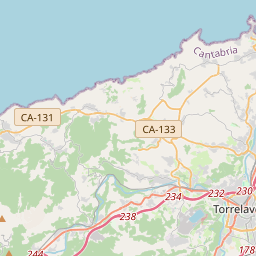
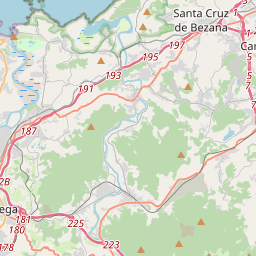
On the map
Last price
—
Floor price
—
7-day median
—
30-day sales
0
30-day range
—
In circulation
0
Price history
median
low – high
sales
No sales in this period
Show table
| Date | median | Low | High | sales |
|---|
Sales history
- Last sale
- —
- 30-day average
- —
- 30-day low
- —
- 30-day high
- —
- Sales 7d
- 0
- Sales 30d
- 0
No sales yet.
Anonymous sales: no buyer or seller shown. Figures count player-to-player sales only.
From Wikipedia
Viveda is a Lugar of the municipality of Santillana del Mar (Cantabria, Spain). It borders the towns of Barreda (municipality of Torrelavega), Queveda and Camplengo (municipality of Santillana del Mar), and Hinojedo (municipality of Suances). It is located 4 km from the municipal capital, Santillana del Mar, 3 km from the nearest city, Torrelavega, and about 22 km from Santander, Spain. It's located 46 meters above sea level. In 2008, it had a population of 1,080 inhabitants (INE), being the most populated in the municipality. In the Middle Ages there was a monastery here, dedicated to the Divine Savior of the World, created by repopulation in the 19th century. c. 8th century or c. 9th century. The Camino de Santiago del Norte crosses the town through the neighbourhood of La Barca. The town is easily accessible, as it is less than 3 kilometres from the junction between the Cantabrian Highway and the Plateau Highway. Until the last years of the c. 20th century, There was a palpable tendency to group together in certain areas of the town, creating two small urban centres (in La Barca and Las Escuelas), the rest being fields for cattle and scattered houses. During the period 1998–2003 the proliferation of individual dwellings reduced this appreciation, while since 2003 the construction of numerous housing estates has usurped the town's eminently rural character, turning it into a dormitory town for the most part and linking the small groups of dwellings together.
Text: Wikipédia, CC BY-SA 4.0. · Image: Dage (CC BY-SA 3.0) ·
Related cards

Villava – Atarrabia
Human settlement in Cuenca de Pamplona, Navarre, Spain
Nº Q600671 ★★★

Torrelavega
Town and municipality in Cantabria, northern Spain
Nº Q494693 ★★★★★

Queveda
Human settlement in Santillana del Mar, Cantabria, Spain
Nº Q6094654 ★★

Cape Vidio
Cape in Asturias, Spain
Nº Q5738413 ★★★

Santillana del Mar
Municipality of Spain
Nº Q493817 ★★★★★

Barañain
Human settlement in Cuenca de Pamplona, Navarre, Spain
Nº Q768691 ★★★