
Ostrava
City in Czechia
Ostrava (Czech pronunciation: [ˈostrava] ; Polish: Ostrawa Polish pronunciation: [ɔsˈtra.va] ; German: Ostrau) is a city in the north-east of the Czech Republic and the capital of the Moravian-Silesian Region. It has about 281,000 inhabitants.
Nº Q8385 ★★★★
Super Rare · Places
Ostrava
City in Czechia
Ostrava (Czech pronunciation: [ˈostrava] ; Polish: Ostrawa Polish pronunciation: [ɔsˈtra.va] ; German: Ostrau) is a city in the north-east of the Czech Republic and the capital of the Moravian-Silesian Region. It has about 281,000 inhabitants.
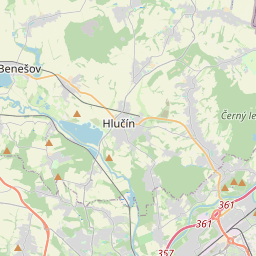
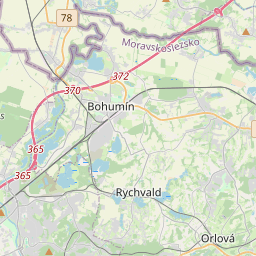
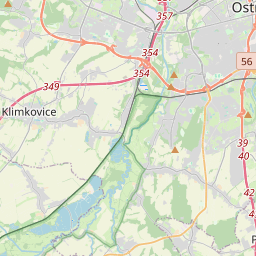
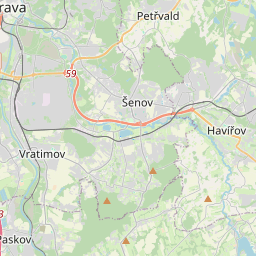
On the map
Last price
—
Floor price
—
7-day median
—
30-day sales
0
30-day range
—
In circulation
0
Price history
median
low – high
sales
No sales in this period
Show table
| Date | median | Low | High | sales |
|---|
Sales history
- Last sale
- —
- 30-day average
- —
- 30-day low
- —
- 30-day high
- —
- Sales 7d
- 0
- Sales 30d
- 0
No sales yet.
Anonymous sales: no buyer or seller shown. Figures count player-to-player sales only.
From Wikipedia
Ostrava (Czech pronunciation: [ˈostrava] ; Polish: Ostrawa Polish pronunciation: [ɔsˈtra.va] ; German: Ostrau) is a city in the north-east of the Czech Republic and the capital of the Moravian-Silesian Region. It has about 281,000 inhabitants. It lies near the border with Poland, at the confluences of four rivers: Oder, Opava, Ostravice and Lučina. Ostrava is the third largest city in the Czech Republic in terms of both population and area, the second largest city in the region of Moravia, and the largest city in the historical land of Czech Silesia. It straddles the border of the two historic lands of Moravia and Silesia. The wider conurbation — which also includes the towns of Bohumín, Havířov, Karviná, Orlová, Petřvald and Rychvald — is home to about 500,000 people, making it the largest urban area in the Czech Republic apart from the capital Prague. Ostrava grew in importance due to its position at the heart of a major coalfield, becoming an important industrial engine of the Austrian empire. During the 20th century it was known as the "steel heart" of Czechoslovakia thanks to its status as a coal-mining and metallurgical centre, but since the Velvet Revolution (the fall of communism in 1989) it has undergone radical and far-reaching changes to its economic base. Industries have been thoroughly restructured, and the last coal was mined in the city in 1994. However, remnants of the city's industrial past are visible in the Lower Vítkovice area, a former coal-mining, coke production and ironworks complex in the city centre which retains its historic industrial architecture. Lower Vítkovice has applied for inclusion in the UNESCO World Heritage List. Ostrava is home to various cultural facilities including theatres and galleries. Various cultural and sporting events take place in Ostrava throughout the year, including the Colours of Ostrava music...
Text: Wikipédia, CC BY-SA 4.0. · Image: Lukáš Mižoch (CC BY 3.0) ·
Related cards

Moravian-Silesian Region
Region of the Czech Republic
Nº Q190550 ★★

Czech Republic
Country in Central Europe
Nº Q213 ★★★★★★

Brno
City in the Czech Republic
Nº Q14960 ★★★★★

Žilina
Capital of the Žilina region in north-western Slovakia
Nº Q25797 ★★★

Ostrołęka
City with powiat rights of Poland
Nº Q461287 ★★

Silesia
Region of Central Europe now located mostly in Poland, with small parts in the Czech Republic and Germany
Nº Q81720 ★★★★★