
Mitla
Human settlement
Mitla is the second-most important archeological site in the state of Oaxaca in Mexico, after Monte Albán, and the most important of the Zapotec culture. The site is located 44 km from the city of Oaxaca, in the upper end of the Tlacolula Valley, one of the three cold, high valleys that form the Central Valleys Region of the state.
Nº Q1366027 ★★★
Rare · Places
Mitla
Human settlement
Mitla is the second-most important archeological site in the state of Oaxaca in Mexico, after Monte Albán, and the most important of the Zapotec culture. The site is located 44 km from the city of Oaxaca, in the upper end of the Tlacolula Valley, one of the three cold, high valleys that form the Central Valleys Region of the state.
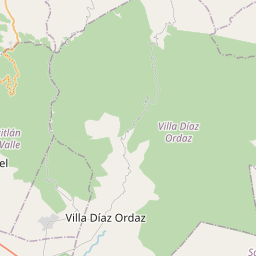
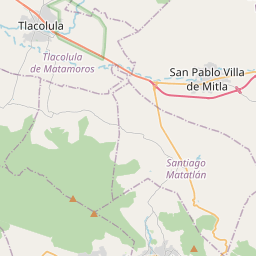
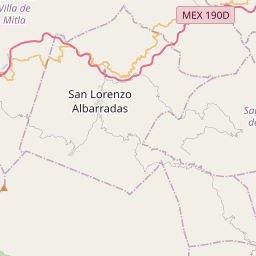
On the map
Last price
—
Floor price
—
7-day median
—
30-day sales
0
30-day range
—
In circulation
0
Price history
median
low – high
sales
No sales in this period
Show table
| Date | median | Low | High | sales |
|---|
Sales history
- Last sale
- —
- 30-day average
- —
- 30-day low
- —
- 30-day high
- —
- Sales 7d
- 0
- Sales 30d
- 0
No sales yet.
Anonymous sales: no buyer or seller shown. Figures count player-to-player sales only.
From Wikipedia
Mitla is the second-most important archeological site in the state of Oaxaca in Mexico, after Monte Albán, and the most important of the Zapotec culture. The site is located 44 km from the city of Oaxaca, in the upper end of the Tlacolula Valley, one of the three cold, high valleys that form the Central Valleys Region of the state. At an elevation of 4,855 ft (1,480 m), surrounded by the mountains of the Sierra Madre del Sur, the archeological site is within the modern municipality of San Pablo Villa de Mitla. It is 24 mi (38 km) southeast of Oaxaca city. While Monte Albán was the most important politically of the Zapotec centers, Mitla became the main religious one in a later period as the area became dominated by the Mixtec. The name Mitla is derived from the Nahuatl name Mictlán, meaning the "place of the dead" or "underworld." Its Zapotec name is Lyobaa, which means “place of rest”. The name Mictlán was transliterated to Mitla. It was established as a sacred burial site by the Zapotec, but the architecture and designs also show the influence of the Mixtec, who had become prominent in the area during the peak of Mitla settlement. Mitla is unique among Mesoamerican sites because of its elaborate and intricate mosaic fretwork and geometric designs that cover tombs, panels, friezes, and even entire walls of the complex. These mosaics are made with small, finely cut and polished stone pieces that have been fitted together without the use of mortar. No other site in Mexico has this decorative work.
Text: Wikipédia, CC BY-SA 4.0. · Image: User:Gengiskanhg (CC BY-SA 3.0) ·
Related cards

Tula (Mesoamerican site)
Archaeological site in Hidalgo, Mexico
Nº Q568672 ★★★

Mexica
Indigenous people of the Valley of Mexico
Nº Q3307681 ★★★

Mitla Pass
Mountain range pass road in the Sinai Peninsula of Egypt
Nº Q1939722 ★★★★

Playa Zipolite
Town in San Pedro Pochutla Municipality, State of Oaxaca, Mexico
Nº Q1059598 ★★★

Santa María Atzompa
Municipality in the State of Oaxaca, Mexico
Nº Q3846612 ★★

Chicomoztoc
Nahuas mythical origin place
Nº Q1621526 ★★★