
Kibera
Largest neighborhood in Nairobi
Kibera (Kinubi: Forest or Jungle) is a division and neighbourhood of Nairobi, Kenya, 6.6 kilometres (4.1 mi) from the city centre. Kibera is the largest and most studied slum in Nairobi, and also the largest urban slum in all of Africa.
Nº Q579521 ★★
Uncommon · Places
Kibera
Largest neighborhood in Nairobi
Kibera (Kinubi: Forest or Jungle) is a division and neighbourhood of Nairobi, Kenya, 6.6 kilometres (4.1 mi) from the city centre. Kibera is the largest and most studied slum in Nairobi, and also the largest urban slum in all of Africa.
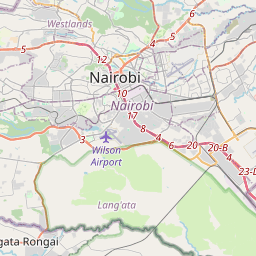
On the map
Last price
—
Floor price
—
7-day median
—
30-day sales
0
30-day range
—
In circulation
0
Price history
median
low – high
sales
No sales in this period
Show table
| Date | median | Low | High | sales |
|---|
Sales history
- Last sale
- —
- 30-day average
- —
- 30-day low
- —
- 30-day high
- —
- Sales 7d
- 0
- Sales 30d
- 0
No sales yet.
Anonymous sales: no buyer or seller shown. Figures count player-to-player sales only.
From Wikipedia
Kibera (Kinubi: Forest or Jungle) is a division and neighbourhood of Nairobi, Kenya, 6.6 kilometres (4.1 mi) from the city centre. Kibera is the largest and most studied slum in Nairobi, and also the largest urban slum in all of Africa. The 2009 Kenya Population and Housing Census reports Kibera's population as 170,070, contrary to previous estimates of one or two million people. Other sources suggest the total Kibera population may be 500,000 to well over 1,000,000 depending on which slums are included in defining Kibera. In 2009, a survey conducted by the French Institute for Research in Africa found that the average Kibera slum resident lives in extreme poverty, earning less than US$2 per day. Unemployment rates are high. 12% of the population are living with HIV. Cases of assault and rape are common. There are few schools, and most people cannot afford education for their children. Clean water is scarce. Diseases caused by poor hygiene are prevalent. A great majority living in the slum lack access to basic services, including electricity, running water, and medical care. The government initiated a clearance programme to replace the slum with a residential district of high-rise apartments, and to relocate the residents to these new buildings upon completion. The neighbourhood is divided into a number of villages, including Kianda, Soweto East, Gatwekera, Kisumu Ndogo, Lindi, Laini Saba, Silanga, Makina, Salama, Ayany, and Mashimoni.
Text: Wikipédia, CC BY-SA 4.0. · Image: Kreuzschnabel (CC BY-SA 3.0) ·
Related cards

Nairobi
Capital city of Kenya
Nº Q3870 ★★★★

Kenya
Country in Eastern Africa
Nº Q114 ★★★★★

Kisumu
City in Kenya
Nº Q214485 ★★

Kamba people
Bantu ethnic group indigenous to Kenya, predominantly inhabiting the arid and semi-arid Ukambani region comprising Machakos, Kitui, and Makueni counties; also known as Akamba or Wakamba; Kenya's fifth largest ethnic group
Nº Q1143929 ★

Kebbi State
State in Nigeria
Nº Q748523 ★

Kilimanjaro Region
Region of Tanzania
Nº Q328922 ★★