

Common · Places
Isin
Ancient city in Mesopotamia
Isin (Sumerian: 𒉌𒋛𒅔𒆠, romanized: I3-si-inki, modern Arabic: إيشان بحريات Ishan al-Bahriyat) is an archaeological site in Al-Qādisiyyah Governorate, Iraq which was the location of the Ancient Near East city of Isin, occupied from the late 4th millennium BC Uruk period up until at least the late 1st millennium BC Neo-Babylonian period. It lies about 40 km (25 mi) southeast of the modern city of Al Diwaniyah.
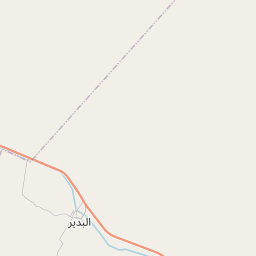
On the map

From Wikipedia
Isin (Sumerian: 𒉌𒋛𒅔𒆠, romanized: I3-si-in, modern Arabic: إيشان بحريات Ishan al-Bahriyat) is an archaeological site in Al-Qādisiyyah Governorate, Iraq which was the location of the Ancient Near East city of Isin, occupied from the late 4th millennium BC Uruk period up until at least the late 1st millennium BC Neo-Babylonian period. It lies about 40 km (25 mi) southeast of the modern city of Al Diwaniyah. The tutelary deity of Isin, dating back to at least the Early Dynastic period, was the healing goddess Gula with a major temple (, E-gal-ma) sited there as well as smaller installations for the related gods of Ninisina and Sud. Isin is located approximately 20 miles (32 km) south of the ancient city of Nippur. The site covers an area of about 150 hectares with a maximum height of about 10 meters. By 1922 the site had been suggested as that of Isin. Ishan al-Bahriyat was visited by Stephen Herbert Langdon for a day to conduct a sounding, while he was excavating at Kish in 1924. He found inscribed bricks of Ishme-Dagan and Enlil-bani. Two years later Raymond P. Dougherty, on behalf of the American Schools of Oriental Research, conducted a two-day survey of the site finding inscribed bricks of Bur-Sin and Neo-Babylonian ruler Nebuchadnezzar II. Modern archaeological work at Isin was accomplished in 11 seasons between 1973 and 1989 by a team of German archaeologists led by Barthel Hrouda on behalf of the Munich Institute for Near Eastern Archaeology.
Text: Wikipédia, CC BY-SA 4.0. · Image: Gryffindor (Public domain) ·