
Gotha
Town in Thuringia, Germany
Gotha (German pronunciation: [ˈɡoːtaː] ) is the fifth-largest city in Thuringia, Germany, 20 kilometres (12 miles) west of Erfurt and 25 km (16 miles) east of Eisenach with a population of 46,400 (2024). The city is the capital of the district of Gotha and was also a residence of the Ernestine Wettins from 1640 until the end of monarchy in Germany in 1918.
Nº Q6986 ★★★★★
Ultra Rare · Places
Gotha
Town in Thuringia, Germany
Gotha (German pronunciation: [ˈɡoːtaː] ) is the fifth-largest city in Thuringia, Germany, 20 kilometres (12 miles) west of Erfurt and 25 km (16 miles) east of Eisenach with a population of 46,400 (2024). The city is the capital of the district of Gotha and was also a residence of the Ernestine Wettins from 1640 until the end of monarchy in Germany in 1918.
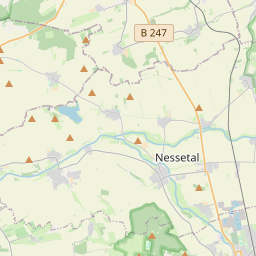
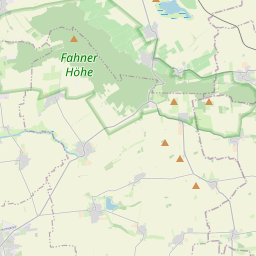
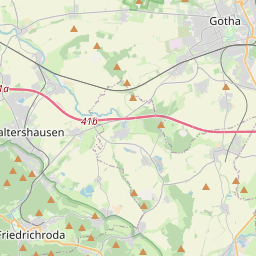
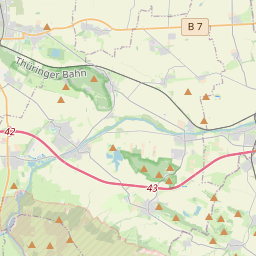
On the map
Last price
—
Floor price
—
7-day median
—
30-day sales
0
30-day range
—
In circulation
0
Price history
median
low – high
sales
No sales in this period
Show table
| Date | median | Low | High | sales |
|---|
Sales history
- Last sale
- —
- 30-day average
- —
- 30-day low
- —
- 30-day high
- —
- Sales 7d
- 0
- Sales 30d
- 0
No sales yet.
Anonymous sales: no buyer or seller shown. Figures count player-to-player sales only.
From Wikipedia
Gotha (German pronunciation: [ˈɡoːtaː] ) is the fifth-largest city in Thuringia, Germany, 20 kilometres (12 miles) west of Erfurt and 25 km (16 miles) east of Eisenach with a population of 46,400 (2024). The city is the capital of the district of Gotha and was also a residence of the Ernestine Wettins from 1640 until the end of monarchy in Germany in 1918. The House of Saxe-Coburg and Gotha originating here spawned many European rulers, including the royal houses of the United Kingdom, Belgium, Portugal (until 1910) and Bulgaria (until 1946). In the Middle Ages, Gotha was a rich trading town on the trade route Via Regia and between 1650 and 1850, Gotha saw a cultural heyday as a centre of sciences and arts, fostered by the dukes of Saxe-Gotha. The first duke, Ernest the Pious, was famous for his wise rule. In the 18th century, the Almanach de Gotha was first published in the city. The publisher Justus Perthes and the encyclopedist Joseph Meyer made Gotha a leading centre of German publishing around 1800. In the early 19th century, Gotha was a birthplace of the German insurance business. The SPD was founded in Gotha in 1875 by merging two predecessors. In that period Gotha became an industrial centre, with companies such as the Gothaer Waggonfabrik, a producer of trams and later aeroplanes. The main sights of Gotha are the early modern Friedenstein Castle, one of the largest Renaissance Baroque castles in Germany, the medieval city centre and the Gründerzeit buildings of the 19th-century commercial boom. Gotha lies in the southern part of the Thuringian Basin in a flat and agricultural landscape.
Text: Wikipédia, CC BY-SA 4.0. · Image: Muelli24 at German Wikipedia (CC BY-SA 3.0) ·
Related cards

Gotha (district)
District in Thuringia, Germany
Nº Q7869 ★★★

Göttingen
Large city in Lower Saxony, Germany
Nº Q3033 ★★★★★

Saxe-Gotha
One of the Saxon duchies of the Wettin dynasty
Nº Q700229 ★★

Greiz
Municipality in Greiz District, Thuringia, Germany
Nº Q502710 ★★★★

Nesse-Apfelstädt
Municipality in Thuringia, Germany
Nº Q282355 ★★

Luisenthal
Municipality of Germany
Nº Q546691 ★★