Cherung
15th-century mausoleum near Kaesong, North Korea
The Cherŭng Royal Tomb, also known as Jeneung Royal Tomb, is a 15th-century mausoleum located in Chi-dong, Panmun-guyok Kaesong, North Korea. The site contains the body of Queen Sinui, first wife of Yi Song-gye, the founder of the Joseon dynasty.
Nº Q5092620 ★★
Uncommon · Places
Cherung
15th-century mausoleum near Kaesong, North Korea
The Cherŭng Royal Tomb, also known as Jeneung Royal Tomb, is a 15th-century mausoleum located in Chi-dong, Panmun-guyok Kaesong, North Korea. The site contains the body of Queen Sinui, first wife of Yi Song-gye, the founder of the Joseon dynasty.
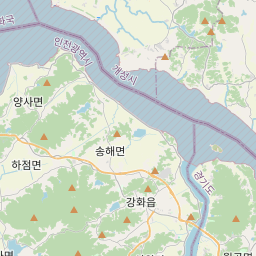
On the map



Last price
—
Floor price
—
7-day median
—
30-day sales
0
30-day range
—
In circulation
0
Price history
median
low – high
sales
No sales in this period
Show table
| Date | median | Low | High | sales |
|---|
Sales history
- Last sale
- —
- 30-day average
- —
- 30-day low
- —
- 30-day high
- —
- Sales 7d
- 0
- Sales 30d
- 0
No sales yet.
Anonymous sales: no buyer or seller shown. Figures count player-to-player sales only.
From Wikipedia
The Cherŭng Royal Tomb, also known as Jeneung Royal Tomb, is a 15th-century mausoleum located in Chi-dong, Panmun-guyok Kaesong, North Korea. The site contains the body of Queen Sinui, first wife of Yi Song-gye, the founder of the Joseon dynasty. Construction on the tomb began after her death in 1392; as she died before her husband overthrew the Goryeo dynasty to become king, she was buried in the Goryeo-era capital of Gaegyeong (present-day Kaesong). After Yi took the throne, she was posthumously awarded the title of "queen". The burial mound is ringed with a carved granite base, while the "spirit road" leading to the tomb is lined with statues of military officers and Confucian officials. Despite being the tomb of a Joseon monarch, the site was excluded from the World Heritage Site "Royal Tombs of the Joseon Dynasty" as it is located in North Korea. It is one of two royal tombs from that dynasty in the country; the other, Hurung, belongs to King Jeongjong, who temporarily moved the capital back to Gaegyeong before abdicating.
Text: Wikipédia, CC BY-SA 4.0. ·
Related cards
Hurung
15th-century mausoleum located near Kaesong, North Korea
Nº Q5948804 ★★★
Yeongneung
Tomb of Sejong the Great
Nº Q107598891 ★★★
Tomb of King Wonseong
Royal tomb in Gyeongju, Korea
Nº Q12609307 ★★

Mausoleum of King Wang Kŏn
King's tomb in North Korea
Nº Q7818624 ★★★

Heonilleung
Joseon dynasty royal tomb
Nº Q7219765 ★★★★

Tomb of King Muryeong
Tumulus
Nº Q7818619 ★★