
Caesaraugusta
Roman colonia located on the site of present-day Zaragoza, Spain, ca. 14 BCE to AD 472
Caesaraugusta or Caesar Augusta was the name of the Roman city of Zaragoza, founded as a colonia inmunis from Rome in 14 BC, possibly on December 23, on the intensely Romanized Iberian city of Salduie. Its foundation occurred in the context of the reorganization of the provinces of Hispania by Caesar Augustus after his victory in the Astur-Cantabrian wars.
Nº Q2932882 ★★★
Rare · Places
Caesaraugusta
Roman colonia located on the site of present-day Zaragoza, Spain, ca. 14 BCE to AD 472
Caesaraugusta or Caesar Augusta was the name of the Roman city of Zaragoza, founded as a colonia inmunis from Rome in 14 BC, possibly on December 23, on the intensely Romanized Iberian city of Salduie. Its foundation occurred in the context of the reorganization of the provinces of Hispania by Caesar Augustus after his victory in the Astur-Cantabrian wars.
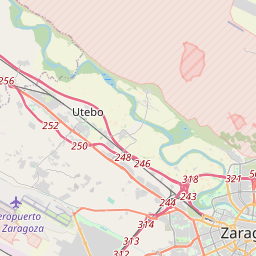
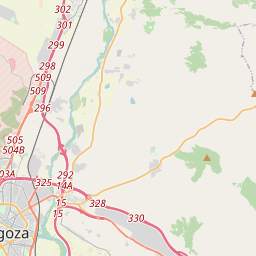
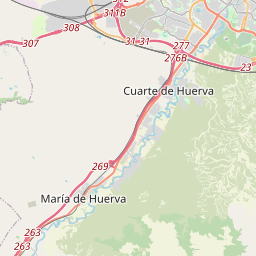
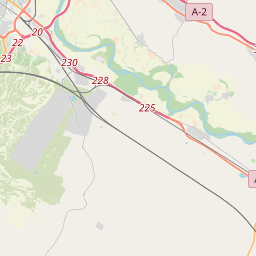
On the map
Last price
—
Floor price
—
7-day median
—
30-day sales
0
30-day range
—
In circulation
0
Price history
median
low – high
sales
No sales in this period
Show table
| Date | median | Low | High | sales |
|---|
Sales history
- Last sale
- —
- 30-day average
- —
- 30-day low
- —
- 30-day high
- —
- Sales 7d
- 0
- Sales 30d
- 0
No sales yet.
Anonymous sales: no buyer or seller shown. Figures count player-to-player sales only.
From Wikipedia
Caesaraugusta or Caesar Augusta was the name of the Roman city of Zaragoza, founded as a colonia inmunis from Rome in 14 BC, possibly on December 23, on the intensely Romanized Iberian city of Salduie. Its foundation occurred in the context of the reorganization of the provinces of Hispania by Caesar Augustus after his victory in the Astur-Cantabrian wars. The new city received the name of "Colonia Caesar Augusta". It enjoyed the privilege of bearing the full name of its founder, who entrusted its deductio, like many other tasks of the Empire, to his general and close friend Marcus Vipsanius Agrippa. Veteran soldiers of the legions IV Macedonica, VI Victrix and X Gemina, discharged after the hard campaign against the Asturians and Cantabrians, participated in the foundation of the city, with the double intention of guaranteeing the defense of the territory at the same time as establishing the presence of Rome in it. Zaragoza had the status of a Colonia Inmune, granting it certain privileges such as the right to mint coins or the exemption from paying taxes. The new citizens were attached to the Aniense tribe. In the process of reorganization of Hispanic territories, three provinces were created, Tarraconense, Baetica and Lusitania, divided into juridical convents, minor districts with judicial and administrative functions; of these, the one governed by Caesaraugusta, the conventus juridicus Caesaraugustanus, was one of the largest of the seven into which the province of Tarraconense was divided. Caesaraugusta assumed from the beginning the role of regional head, replacing the colony Victrix Ivlia Celsa (in the current Velilla de Ebro). The period of the city's greatest apogee in the first and second centuries brought many of the great public works, some of which can still be seen today: the forum, the river port, which made Caesaraugusta the...
Text: Wikipédia, CC BY-SA 4.0. · Image: Stuardo Herrera (CC BY 2.0) ·
Related cards

Zaragoza
Municipality in the autonomous community of Aragon, Spain
Nº Q10305 ★★★★★

Salduie
Ancient Iberian city-state
Nº Q3469665 ★★

Clunia
Ancient Roman settlement in Hispania
Nº Q2724682 ★★★★

Augusta Emerita
Roman colony near modern-day Mérida, Spain
Nº Q1583842 ★★★

Sallust
Roman historian and politician (86 BC - c. 35 BC)
Nº Q7170 ★★★

Segeda
Ancient city of Spain
Nº Q3477735 ★★